Native Flora & Wildflower Reference — Canada
Identifying the plants that belong here
Field notes, regional guides, and sourcing information for native wildflowers and indigenous flora across Canadian provinces and territories.

Native Flora & Wildflower Reference — Canada
Field notes, regional guides, and sourcing information for native wildflowers and indigenous flora across Canadian provinces and territories.
Recent Articles
Spring Wildflowers · Ontario
Trillium & Spring Ephemerals of Ontario
A close look at the early-season native plants that emerge before the forest canopy closes — from Trillium grandiflorum to Hepatica and wild ginger.

Invasive Species · All Provinces
Identifying Invasive Plants Before They Spread
Purple loosestrife, Japanese knotweed, and common reed are reshaping Canadian wetlands and meadows. Field markers that distinguish them from native lookalikes.

Seed Sourcing · Canada-Wide
Native Seed Sourcing Guide for Canadian Gardeners
Where to find regionally appropriate native seed stock, what certifications to look for, and why local ecotype matters more than species name alone.
Conservation Status
COSEWIC lists over 600 vascular plant species as threatened or endangered in Canada. A significant portion are wildflowers that once grew in abundance across grasslands, wetlands, and mixed forests. Knowing what they look like is the first step.
Read the Field GuidesSpecies Spotlight

Wild Bergamot (Monarda fistulosa)
Prairie and open woodland species found across Ontario, Manitoba, and Saskatchewan. Important nectar source for native bees and hummingbirds. Blooms July–August.
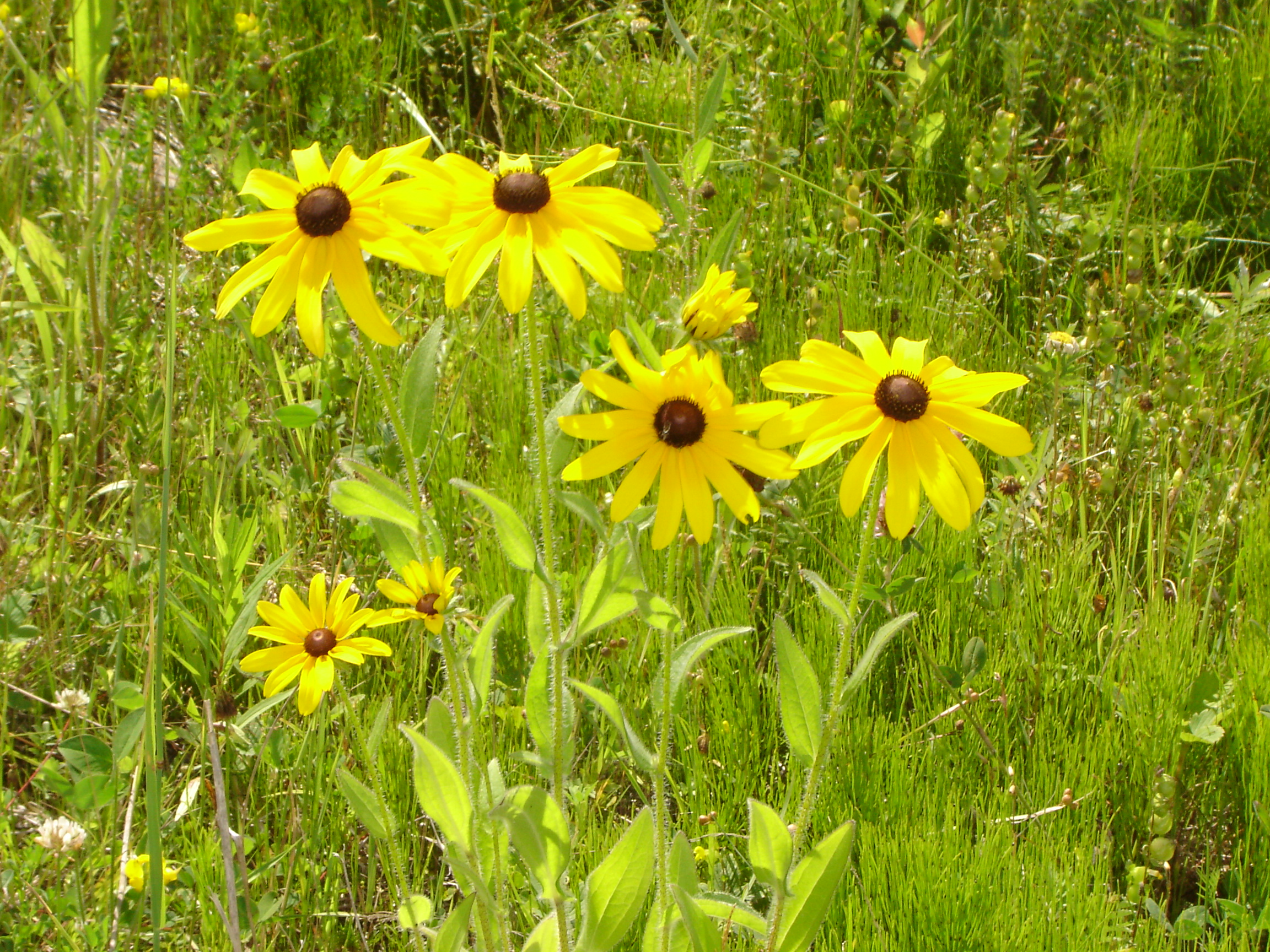
Black-eyed Susan (Rudbeckia hirta)
Widely distributed across Canadian prairies and eastern provinces. Grows in disturbed soils and meadows. One of the most recognizable summer wildflowers in Canada.

Canada Goldenrod (Solidago canadensis)
One of the most ecologically significant late-season bloomers in Canada, supporting over 100 insect species. Often misidentified as an allergen source — wind-pollinated ragweed is more commonly responsible.
By the Numbers
Canada's vascular flora encompasses roughly 4,300 native species distributed across boreal forests, arctic tundra, coastal rainforest, and interior grasslands. Each ecozone supports distinct wildflower communities shaped by soil, hydrology, and climate.
Invasive Species
Invasive plants often resemble native species at a glance. Purple loosestrife mimics native fireweed. Dog-strangling vine is confused with native swallowwort relatives. Correct field identification matters — removal of the wrong plant can accelerate invasive spread.
Contact
Mailing address
340 Albert St, Suite 700
Ottawa, ON K1R 7Y6
Canada
Phone
Business registration
Tansybrook Media Inc.
Ontario Business Registry #1009274631
Three in-depth articles on Ontario spring ephemerals, invasive species identification, and native seed sourcing for Canadian conditions.