
The label "native plant" on a seed packet is not uniform in its meaning across Canada. A species that is native to the prairies may not be native to the Great Lakes watershed, and a plant locally native to southern Ontario may not be the right genetic provenance for a restoration project in the Ottawa Valley. Understanding where seed stock originates — and whether the provenance matches your planting site — determines whether a native planting functions ecologically or simply looks appropriate while failing to integrate with local pollinators, soil mycorrhizae, and seasonal cues.
Why provenance matters
Plants within a single species are not genetically identical across their range. Local populations develop adaptations over centuries — to specific photoperiod triggers, to the timing of first frost, to soil pH and moisture regimes. A Echinacea purpurea seed sourced from an Illinois nursery may grow successfully in a Toronto garden but flower two weeks later than the local ecotype, missing the peak emergence of native bees that evolved alongside the local plant population. For large-scale restoration projects, provenance mismatch is considered one of the primary causes of underperforming native plantings.
The Canadian concept of "seed zones" — geographic areas within which seed transfer is expected to be safe for restoration purposes — is well-developed for tree species through the National Forest Seed Centre system but is less formalized for herbaceous plants and wildflowers. Some provincial programs are addressing this gap, but the responsibility currently falls largely on the buyer to ask the right questions.
What to ask a seed supplier
Before purchasing, four questions cover most of the provenance risk:
- Where was the parent plant material collected? — Province and region, not just country. A Canadian-sourced seed is better than an American-sourced one for most Canadian sites, but Ontario-sourced is better than British Columbia-sourced for an Ontario restoration.
- How many generations has this line been grown in a nursery setting? — Seed that has been nursery-grown for more than three or four generations begins to drift genetically from the wild population. "Wild-collected" or "first generation nursery grown" is preferred for restoration; nursery-grown stock of any provenance is acceptable for residential gardens where strict ecological fidelity is less critical.
- Has the material been verified by a herbarium specimen or botanical expert? — Cultivar selection and misidentification in the nursery trade is common, particularly for popular species like Echinacea, Rudbeckia, and Monarda.
- Are any cultivar selections or bred varieties in the seed mix? — Cultivars selected for double flowers, unusual colours, or compact habit may have reduced pollen or nectar value compared to wild-type seed.
Certifications and standards in Canada
There is no single national certification standard for native wildflower seed in Canada equivalent to the Certified Wildlife Habitat or North American Native Plant Society certifications found in the United States. However, several markers indicate supply chain transparency:
- Wild-harvested with land-access documentation — suppliers who can name the property, land manager, and collection year for their parent material. This is rare but represents the gold standard for restoration-grade seed.
- Ontario Native Plant Seed Network (ONPSN) — a regional network of growers and collectors focused on provenance-tracked native seed for the Great Lakes region.
- Seed Savers Exchange membership — while primarily focused on food crops, the exchange's record-keeping standards are sometimes applied by native plant seed growers who participate in the network.
- Canadian Seed Trade Association (CSTA) member — indicates adherence to labelling and germination testing standards, though not provenance-specific.
Species commonly available as Canadian-native seed
The following species have reliable Canadian-sourced seed availability through specialist suppliers. All are appropriate for mixed wildflower plantings across southern to central Canada, though site requirements vary:
- Echinacea purpurea — Purple coneflower. Full sun to part shade, well-drained to average moisture. Tolerates clay soils. Long-blooming, high pollinator value.
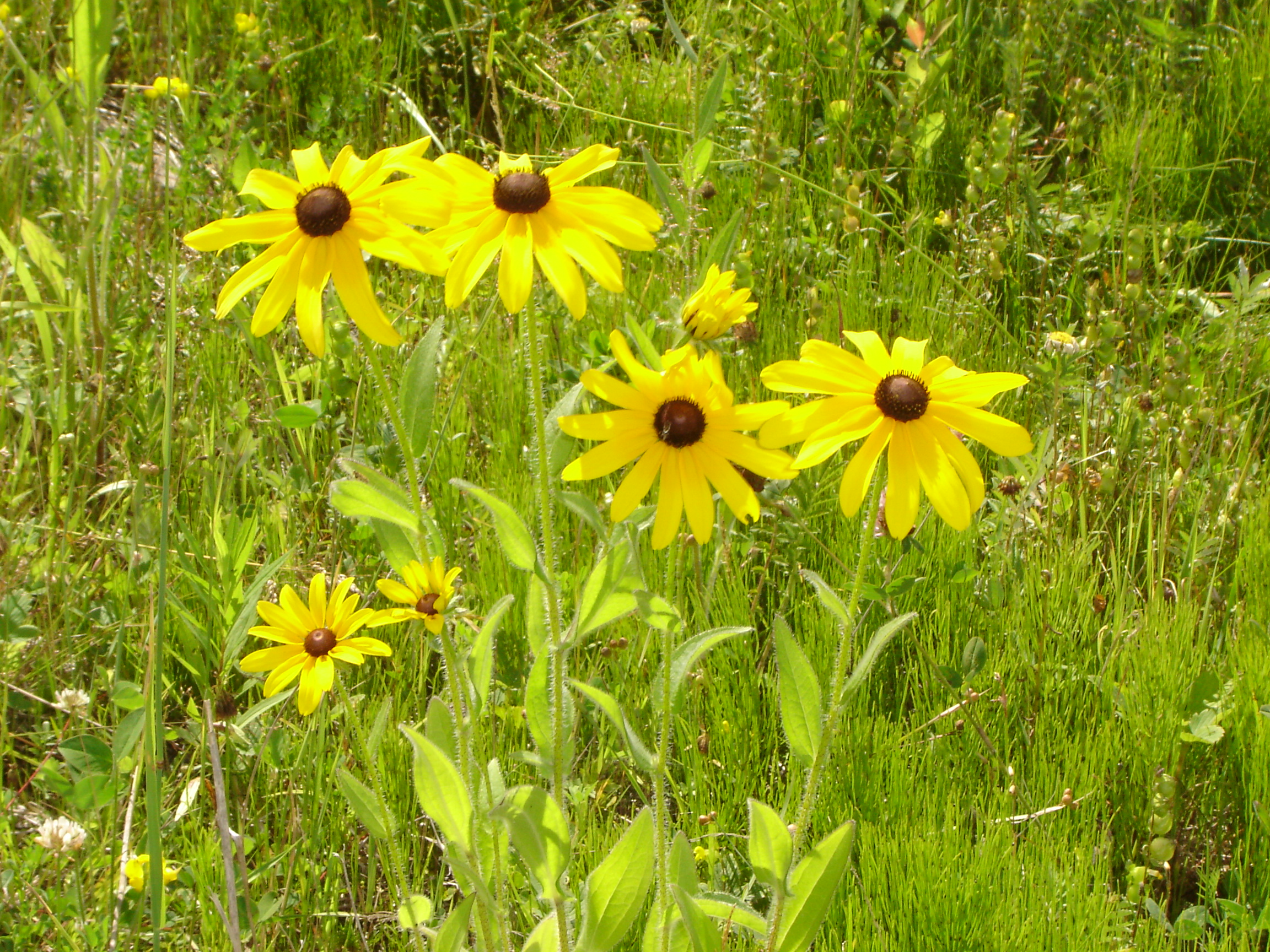
- Rudbeckia hirta — Black-eyed Susan. Highly adaptable. Short-lived perennial often treated as biennial. Self-seeds readily; good for naturalizing.
- Solidago canadensis — Canada goldenrod. Full sun, wide moisture tolerance. Spreads by rhizome; suitable for larger naturalization projects rather than confined borders.
- Monarda fistulosa — Wild bergamot. Prairie species suited to dry to medium well-drained soils. Key food source for specialist native bees in the genus Melissodes.
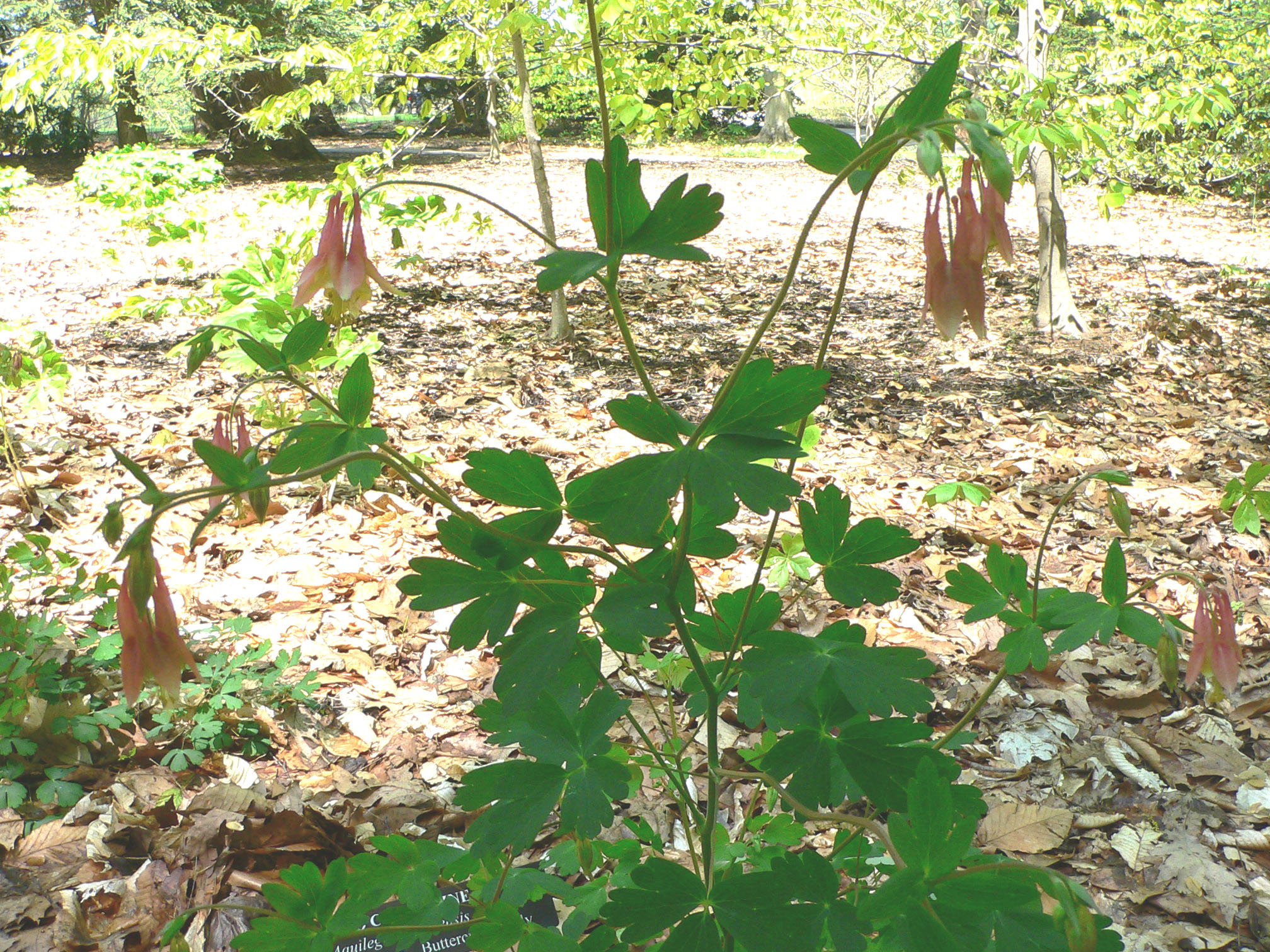
- Aquilegia canadensis — Wild columbine. Shade-tolerant. Suited to woodland edge, rocky soils, and garden borders. Early-season nectar source for long-tongued bees and hummingbirds.
- Liatris spicata — Dense blazing star. Wet meadows and low-lying prairie sites. Important late-season bloom for monarchs and other migrants.
Seed mixes — when they work and when they don't
Pre-mixed native wildflower blends are widely sold in Canadian garden centres, hardware stores, and online. Their utility varies considerably. The main issues:
Filler species: Many commercial wildflower mixes include annual species from Europe (Poppy, Bachelor's Button, Larkspur) that are not native to Canada. These bloom quickly and densely, which looks appealing in the first season, but they do not support the specialist native bee communities that native perennials do and do not persist without reseeding.
Regional claims: A mix labelled "Canadian Native Wildflower" may be accurate at a national level but include prairie species sold into Atlantic markets or Great Lakes species into BC — where they may establish but miss the co-evolved insect relationships that make them ecologically functional.
The most reliable approach for gardeners wanting genuinely functional native plantings is to source individual species from a supplier who can confirm provincial provenance, then assemble site-appropriate combinations based on soil and light conditions.